
How to Modernize Legacy Banking Systems Without Creating New Vulnerabilities
March 27, 2026



Penetration testing services simulate real-world cyberattacks to expose vulnerabilities before hackers exploit them.
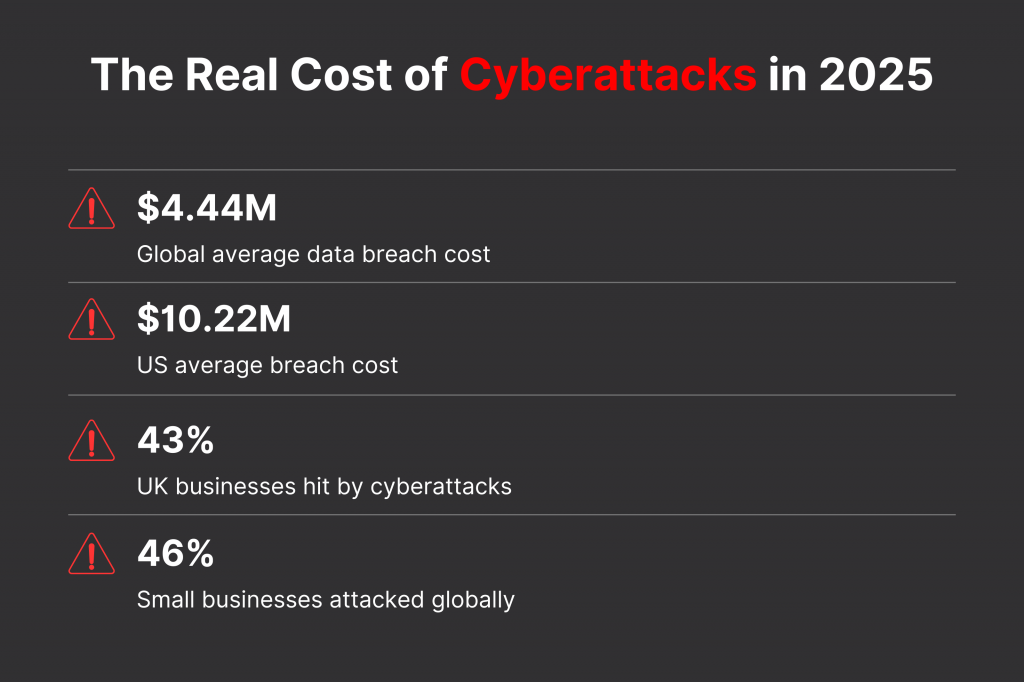
They play a huge role in safeguarding modern businesses from escalating threats. In 2025, average data breach costs hit $4.44 million globally, and U.S. breaches averaged $10.22 million.
To tackle this, penetration testing services deliver actionable insights beyond just basic scans. For fintech organizations, sometimes, functional testing is paired with pen tests to ensure both quality and security in software development.
That said, let’s discuss in detail why pen testing is so important for businesses today.
Penetration testing is also often called ethical hacking. It deploys certified experts to mimic malicious actors probing networks, web applications, APIs, mobile apps and cloud systems for exploitable weaknesses.
Unlike automated QA processes that verify functionality and performance, pen testing uncovers subtle security flaws. These flaws can be business logic errors, privilege escalations or chained vulnerabilities that tools alone miss.
This hands-on methodology follows standards like OWASP, NIST SP 800-115 or PTES, providing businesses with prioritized remediation steps. Those that are integrated into the software testing lifecycle (STLC).
Kualitatem leverages this expertise to offer penetration testing alongside other QA services. So, contact us today and get a free quote along with a testing strategy.
Cyber threats have reached unprecedented levels in 2025, intensifying the vulnerability of businesses worldwide.
Get this, in the UK alone, 43% of businesses reported breaches or cyberattacks. Even though it’s a slight dip from 50% in 2024 yet still disproportionately affecting medium-sized firms (67%) and large enterprises (74%). Phishing remains the top initial attack vector at 31% of incidents.
Furthermore, globally, small and medium-sized businesses (SMBs) bear the brunt, facing a 46% cyberattack rate where incidents occur every 11 seconds on average. This leads to $120,000 in losses per breach and forcing 60% of victims to shutter within six months.
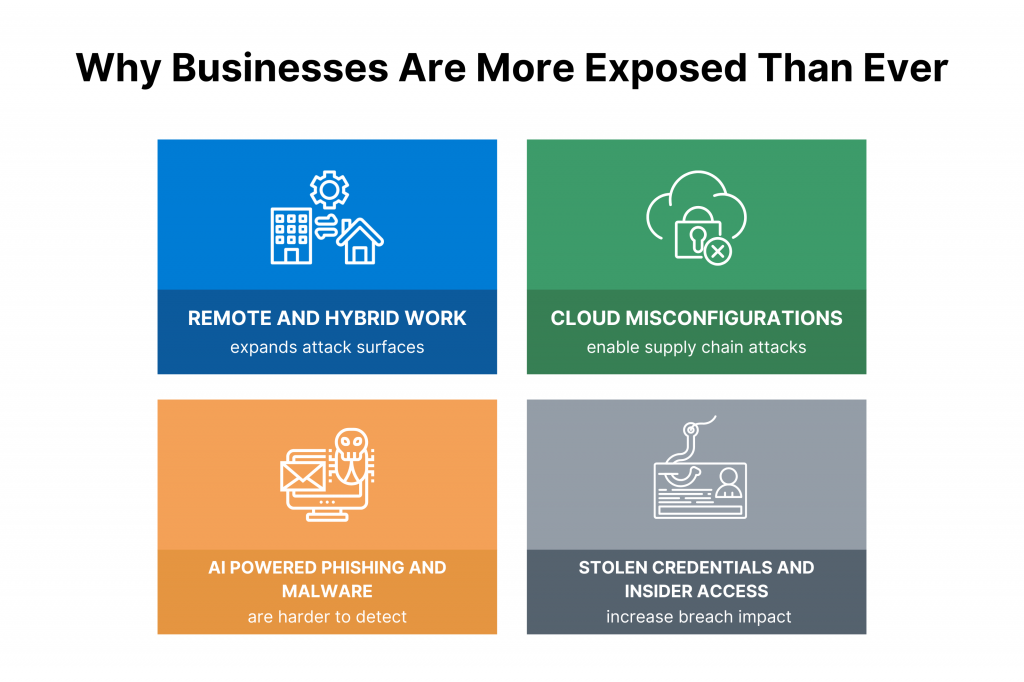
Ransomware has also surged alarmingly, impacting 1% of UK businesses (roughly 19,000 firms) and 59% of organizations overall.
Key amplifying factors driving this exposure include:
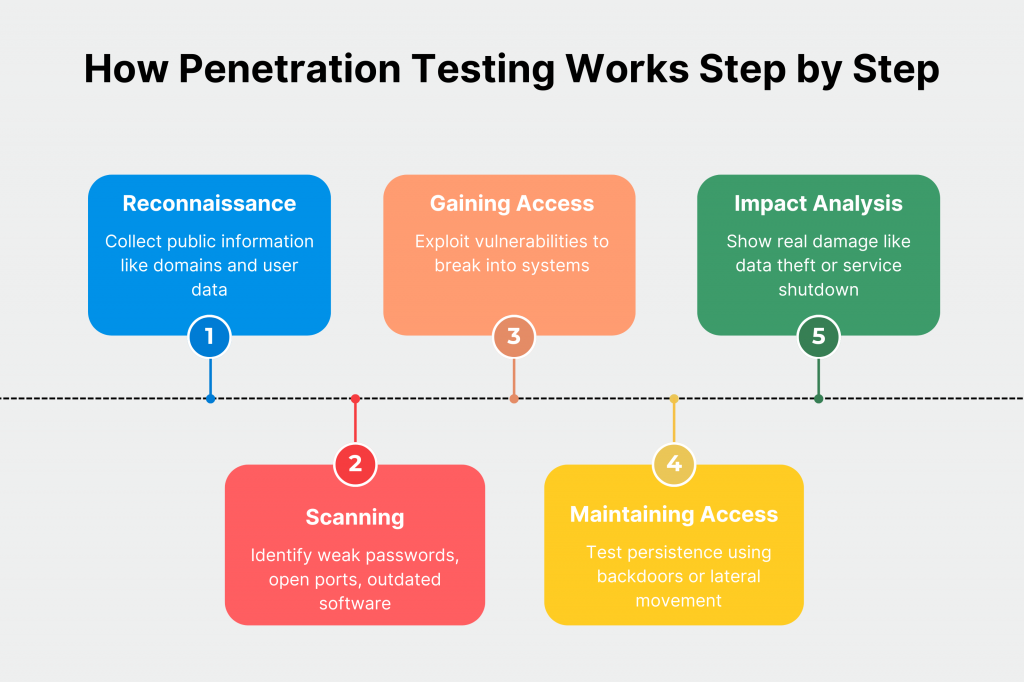
As mentioned earlier, penetration testing follows a clear step-by-step process to act like real hackers and find weak spots in your systems before the bad guys do.
Pen test experts start with simple info gathering. Then they check for problems and try to break in. After that, they stay inside the system to explore and finally show what damage could happen, like stealing data.
This hands-on work goes beyond quick automated checks to spot tricky issues that could lead to big problems.
Here’s what the main phases look like in plain terms:
Besides this, penetration testing checks key areas where attacks hit hardest, which can be:
Unlike QA testing, which makes sure apps work right and feel good to users, pen testing thinks like a criminal. It chains small flaws together. For example, starting with a fake email (phishing), then jumping to your main servers (lateral movement), to show true dangers that auto-scans miss.
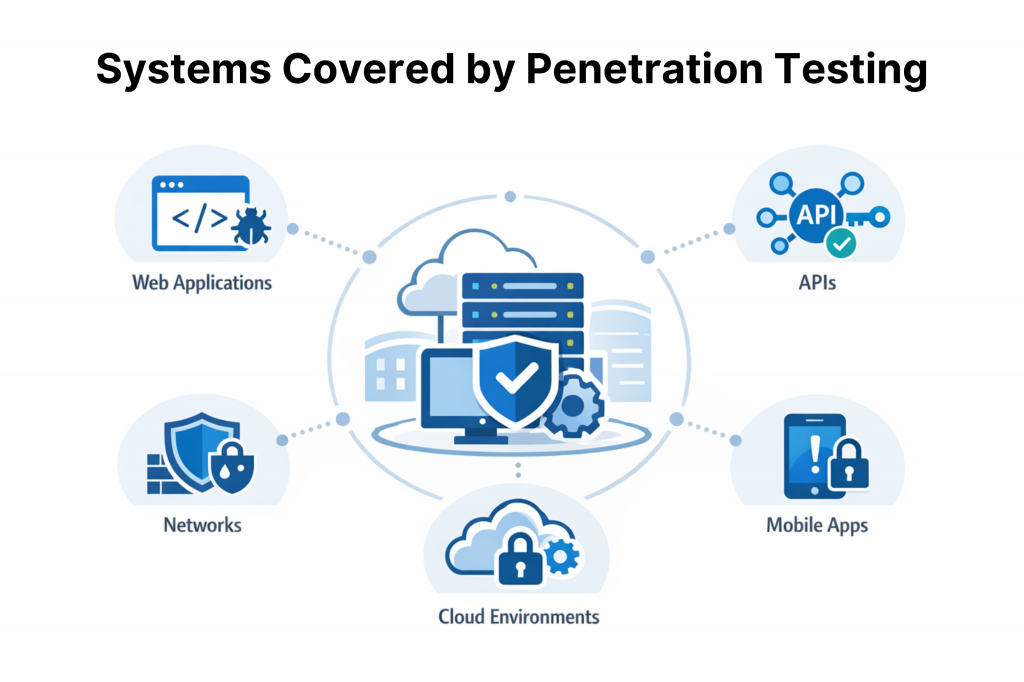
Fortunately, Kualitatem fits this right into your software testing lifecycle (STLC), with live checks during development.
We’ve seen QA peeps who confuse vulnerability scanning and penetration testing. While both help find security weak spots, they work in different ways.
Scanning is like a quick robot check that lists possible problems fast. Whereas penetration testing is like hiring a pro hacker to actually try breaking in and show the real danger. Scans are okay for basics, but miss big issues like tricky logic flaws that let attackers sneak through.
Additionally, scanning uses automated tools like Nessus or Qualys to check for known bugs, such as old software versions or easy passwords. It spits out a long list of risks, but doesn’t prove if hackers can really use them. Lots of false alarms happen.
This makes it great for daily or weekly checks on big systems without much effort.
Penetration testing goes deeper with human experts. They link small flaws together into full attack stories, like using a weak login to steal data or take over servers. This proves the business harm, such as losing customer info or downtime, and gives clear fix steps.
It’s slower and costs more, but catches what machines can’t, like custom app tricks.
| Aspect | Vulnerability Scanning | Penetration Testing |
| Method | Automated tools check for known issues | Manual + automated, simulates full attacks |
| Output | List of potential flaws, no proof | Exploit proofs, attack paths, business impact |
| Depth | Surface-level, misses logic flaws | Chains vulnerabilities, real-world risks |
| Frequency | Weekly/daily for monitoring | Quarterly/annual or after changes |
| Cost & Time | Low cost, fast | Higher cost, 1-4 weeks |
| Best For | Quick checks, compliance scans | Remediation, audits, high-risk apps |
Penetration testing services help businesses spot and fix security holes before hackers do, cutting down big risks in simple ways.
The global market for these services hit $1,862.4 million in 2025, growing fast at 18.20% yearly through 2033 because threats keep rising. It saves money by focusing fixes on the worst problems first, dodging average breach costs of $4.44 million, and helps teams respond more quickly to attacks. Insider threats alone cost $4.92 million each time.
For online shops or software companies, it stops attacks like DDoS that hit 20% of small businesses or ransomware that struck 59% of groups last year. This keeps sites running and money flowing.
Over time, it pays off big by building smarter security habits, especially since only 49% of hit companies even plan to boost defenses afterward.
Here are the key benefits:
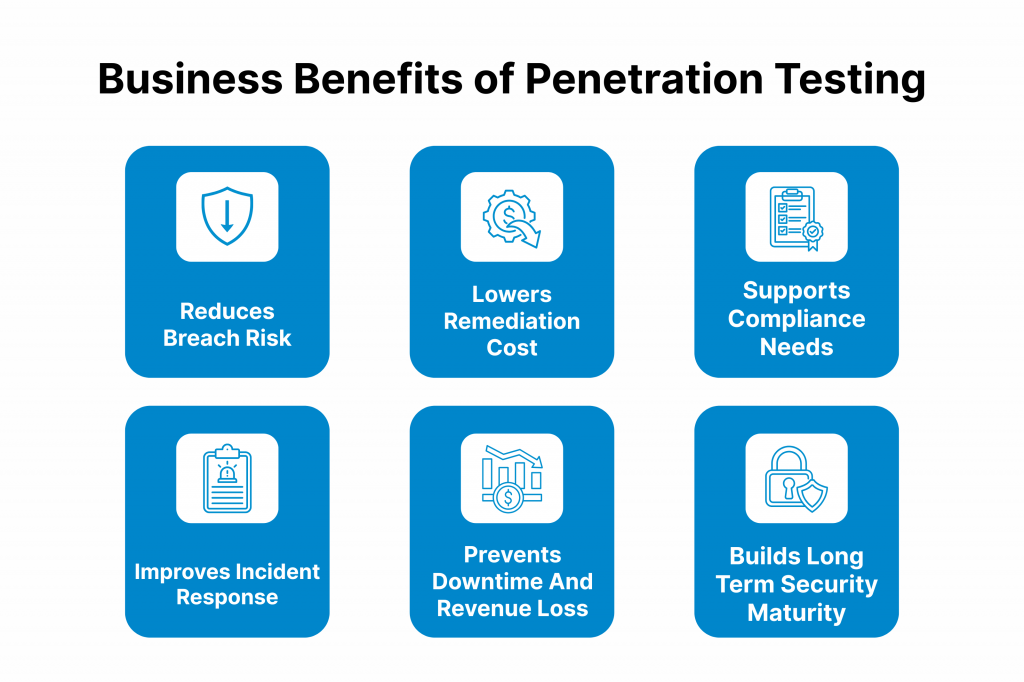
Kualitatem makes this practical by tying penetration testing to QA, delivering real fixes that keep your business safe.
Deciding how often to run penetration tests depends on your business risks, the rules you must follow, and recent changes.
A good rule from PCI DSS says to do external tests every three months and internal ones once a year. Furthermore, it is recommended that you always test after big updates, like new code releases or server changes, just so you can catch new weak spots right away.
It goes without saying that high-risk areas like banks or hospitals need tests more often. So, go ahead with weekly automated scans for steady checks and make monthly regular tests a must.
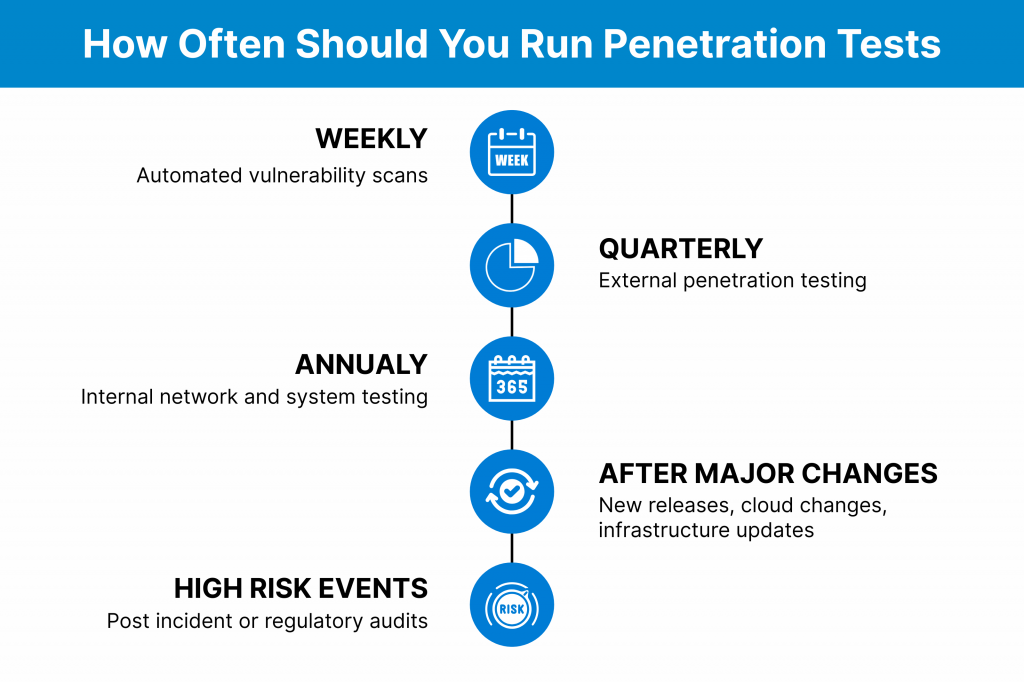
Here’s a simple guide to pick the right schedule:
A good penetration test report isn’t just a list of problems. It’s a clear guide that shows what could go wrong, why it matters to your business and exactly how to fix it.
Bad reports feel like checkboxes with no real help, which frustrates teams who want actionable advice, not vague warnings.
Top reports start with simple executive summaries that tie risks to real money losses.
Hence, look for these key parts in a quality deliverable:
Kualitatem stands out by delivering these full packages. You get real-time audits during your QA process, along with retests until issues are gone. Check out our case studies.
Buying penetration testing services sounds simple, but many businesses pick the wrong provider and end up with weak protection or wasted money.
They chase cheap options or skip key checks, leading to reports that don’t help. This leaves gaps that hackers exploit.
Below is a breakdown of the top mistakes to avoid.
Many go for low-cost scans that focus on basic malware checks, thinking it’s enough. These scans miss chained exploits where small flaws combine into big breaches.
Real manual testing by experts finds hidden issues scans ignore. Skipping it saves pennies now and costs millions later in breach recovery.
Some businesses have security policies, but they forget to retest after patches.
Remember, hackers won’t wait. You need proof that the fixes worked. Without retests, the same doors stay open, turning one-time tests into ongoing risks.
Teams often define tests too narrowly, skipping business logic flaws (e.g., bypassing checkout rules).
This leaves apps vulnerable to clever attacks. Always scope for your full setup, i.e., web, API, mobile, to cover real threats, not just surface checks.
Buyers skip checking for certs like OSCP or CEH, hiring juniors who miss complex issues.
Certified pros follow proven methods and spot what newbies can’t. We’ve seen people on Reddit communities rant about shallow reports from uncertified teams. To make sure this doesn’t happen to you, demand proof of expertise upfront.
Not aligning tests to standards like OWASP or PCI DSS creates compliance holes, such as missing internal scans required quarterly.
Generic approaches fail audits. So, match the provider’s methods to your industry and rules for real value.
Penetration testing services are a must-have for any modern business fighting off cyber threats.
With attacks hitting 43% of UK firms and breaches costing millions, skipping these tests leaves you wide open to hackers, downtime and lost trust. They go beyond basic scans to uncover real weaknesses, cut risks, meet compliance rules like PCI DSS, and save big on fixes before problems explode.
Additionally, don’t settle for checkbox reports that gather dust. Pick a partner that delivers clear, actionable advice with proofs-of-concept, step-by-step fixes and retests to make sure everything works.
Kualitatem offers all this, which makes it a smart choice for teams wanting senior-level expertise tied to QA services.
High-risk ones like finance, healthcare, e-commerce, and SaaS. Basically, anyone handling sensitive data should prioritize it for protection.
Web app/API, network, mobile app, and cloud testing. Kualitatem covers all of these, integrated with QA.
Each targets specific assets like SQL injection or IAM flaws.
Often, yes. Via client demands, SOC 2 or ISO 27001 to avoid breaches. It proves security in vendor reviews.
Receive report with fixes, remediate, retest for verification and schedule next. If done right, you get lasting security.



Our experts are all ready. Explain your business needs, and we’ll provide you with the best solutions. With them, you’ll have a success story of your own.
Contact us now and let us know how we can assist.